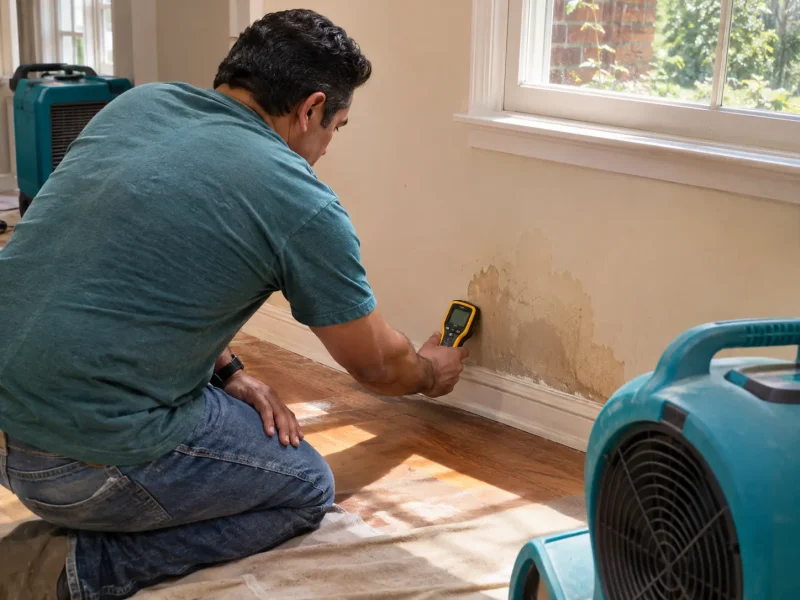
Quick answer: A slab or hidden leak is a pipe leaking under the floor, inside a wall or underground. Common signs are a high water bill, a warm or damp floor, or the sound of running water. Call our 24/7 line to get a licensed plumber who pinpoints the leak with detection equipment and explains the repair options before opening anything.
Do this right now
- If water is pooling or coming through a floor or ceiling, shut off the main water valve.
- If you only suspect a leak, turn off every fixture and look at the water meter: if it keeps moving, water is leaking somewhere.
- Note where you see damp spots, warm floor areas or hear water, and tell the plumber.
The full list of warning signs and the meter test step by step: signs of a hidden water leak.
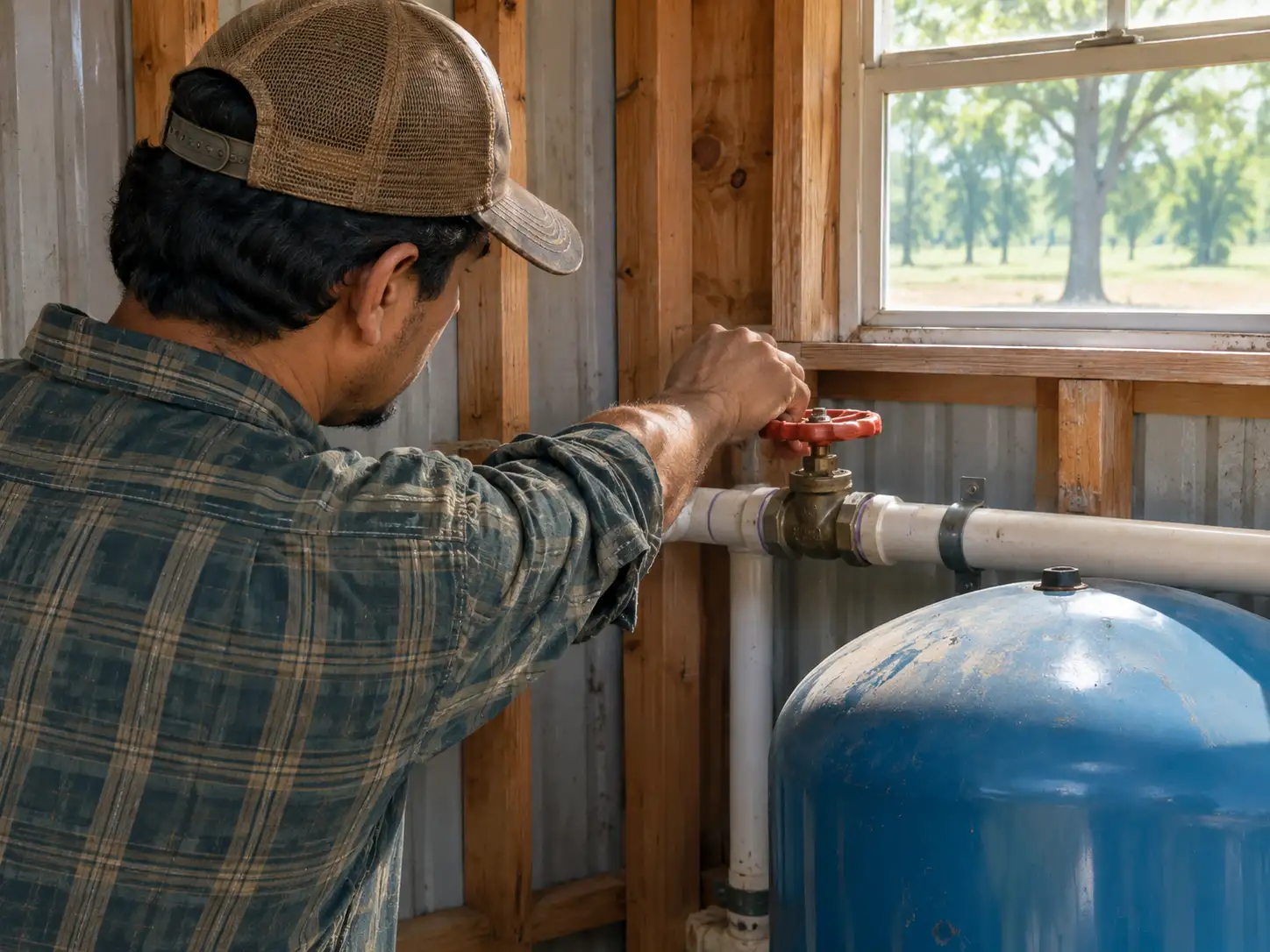
Hidden leak: call now or can it wait?
A leak you cannot see can still do serious damage. Use this check to decide how fast to act.
- Call now
Water coming up through the floor
Shut off the main valve and call now. - Call now
A wet wall or ceiling that keeps spreading
A pipe inside is leaking. Shut off the water and call. - Same day
The meter moves with everything turned off
You have a leak you cannot see. Book leak detection soon to limit damage. - Can wait
A higher bill but no other signs
Do the water meter test first, then book a regular visit if it moves.
Signs of a hidden or slab leak
Most hidden leaks show up as one of these signs first. The water meter test is the quickest way to confirm one: see signs of a hidden water leak.
| What you see | What it usually means |
|---|---|
| The water meter keeps moving with every fixture off | Water is leaking somewhere on your side of the meter |
| A warm spot on the floor | A hot water line may be leaking under the slab |
| The sound of running water when nothing is on | Water is escaping inside a wall, ceiling or under the floor |
| A water bill much higher than usual | A steady leak you cannot see, if your water use has not changed |
| Damp or stained drywall, baseboards or flooring | A leak in the wall or floor behind the stain |
| A musty smell or mold in one area | A slow leak that has been running for a while |
Is a slab leak an emergency?
It is when water is surfacing through the floor, flooring is lifting, or a hot water line is leaking under the slab (warm spots, the water heater running constantly). Those can damage the foundation and floors quickly. A small leak found only by a meter test is urgent but can usually be scheduled.
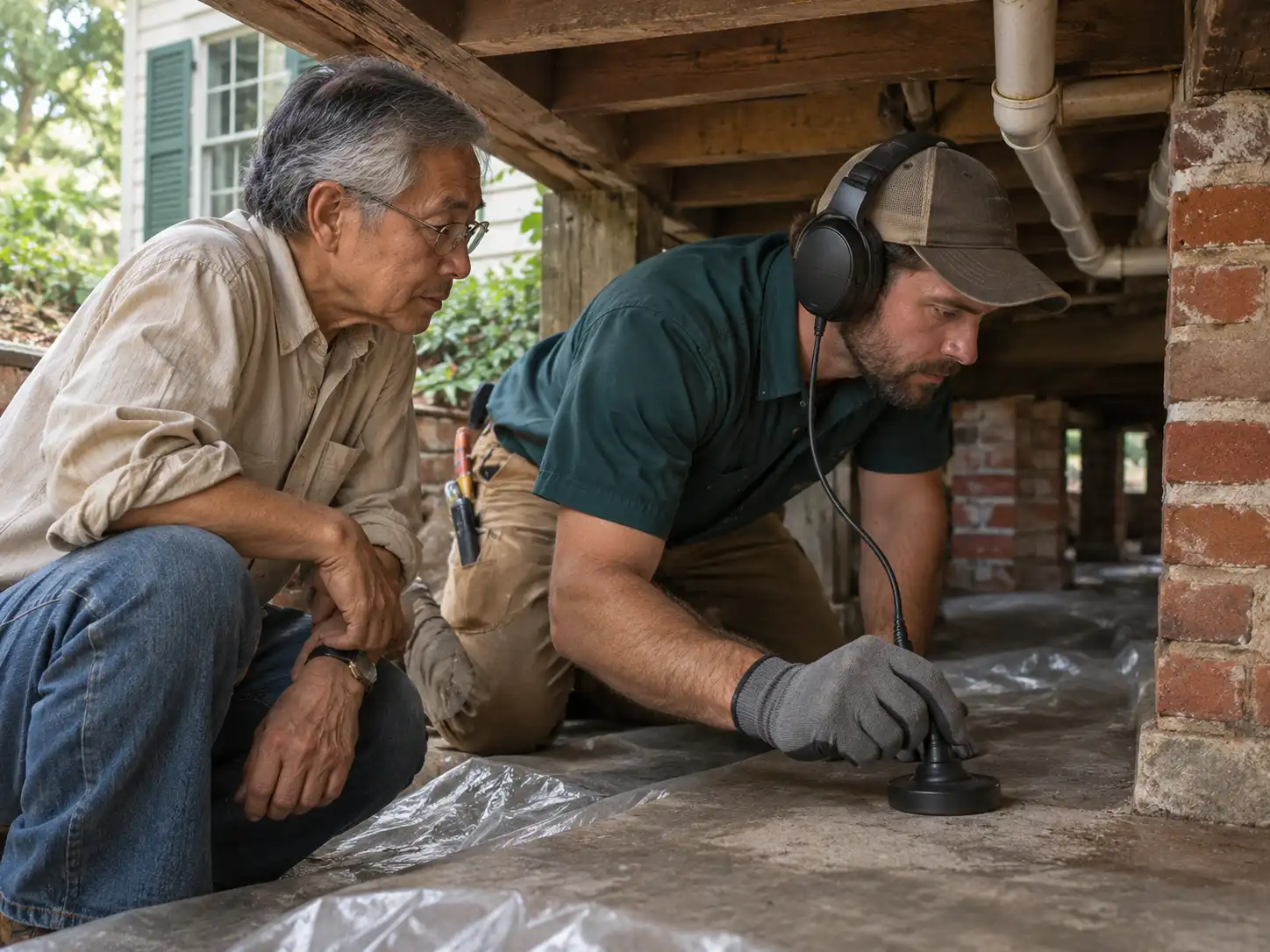
How do plumbers find a leak you cannot see?
| Method | How it works |
|---|---|
| Pressure test | Each water line is isolated and pressurized to find which one is losing water |
| Acoustic listening | Sensitive microphones pick up the sound of water escaping under the floor or in a wall |
| Thermal imaging | A camera shows warm or cool spots from a leaking hot or cold line |
| Moisture meter | Confirms damp areas in walls, floors and baseboards |
Locating the leak first means the plumber opens the smallest possible area of floor or wall.
What a leak detection visit looks like
- The plumber asks about your bill, sounds and damp spots, and checks the meter with everything off.
- Each line is isolated to find whether the leak is on the hot or cold side, and inside or outside the house.
- Acoustic and thermal tools narrow the leak to a small area.
- The plumber marks the spot and explains the repair options and prices before opening anything.
Slab leak repair options
| Option | When it is used | Trade-off |
|---|---|---|
| Spot repair | One leak in an otherwise sound line | Means opening the slab at that spot |
| Reroute the line | The leaking line runs under the slab and can be run through walls or the attic instead | Avoids breaking concrete; the old line is capped |
| Repipe | Several leaks or old, failing pipe throughout | Bigger job, but ends repeat leaks |
The plumber should explain which option fits your home, the price of each and how much floor or wall will be opened before starting.
How fast should a slab leak be fixed?
As soon as it is found. Water under a slab keeps soaking the soil and flooring every hour the line is pressurized. If the repair cannot start right away, the plumber can often isolate the leaking line so you keep water to the rest of the house.
What changes the cost of leak detection and repair?
- How long it takes to find the leak
- Whether it is under a slab, in a wall or underground outside
- Repair method: spot repair, reroute or repipe
- Floor or wall opening and the type of flooring
- The time of the call (see how after-hours pricing works)
You get the price before work starts.
Does insurance cover slab leak repair?
Policies vary. Some cover the cost to access the pipe and the water damage, but not the pipe repair itself; gradual leaks are often excluded. Ask your insurer before work starts, and keep the leak detection report and invoice.