Key takeaway: Most standard homeowners policies cover sudden and accidental water damage from a burst pipe, but not the cost of a pipe that wore out, damage from a slow leak, or damage from a freeze if the home was left unheated. Your policy decides. Document everything before cleanup and call your insurer early. This is general information, not insurance or legal advice.
What policies usually cover
| Usually covered | Often not covered |
|---|---|
| Sudden water damage to floors, walls, ceilings and belongings | The repair of a pipe that failed from wear or corrosion |
| Cost to open a wall or floor to reach the break (on some policies) | Damage from a slow leak over weeks or months |
| Water removal and drying, as part of the damage claim | Freeze damage if the home was vacant and unheated without precautions |
| Temporary housing if the home is unlivable (with loss-of-use coverage) | Mold, beyond any limited mold coverage in the policy |
Flood damage from outside water (rising water, storm surge) is a different peril, covered by flood insurance, not by a standard homeowners policy.
Burst pipe and insurance: what to do when
The order you do things in can help your claim. Use this chart as a guide.
- Call now
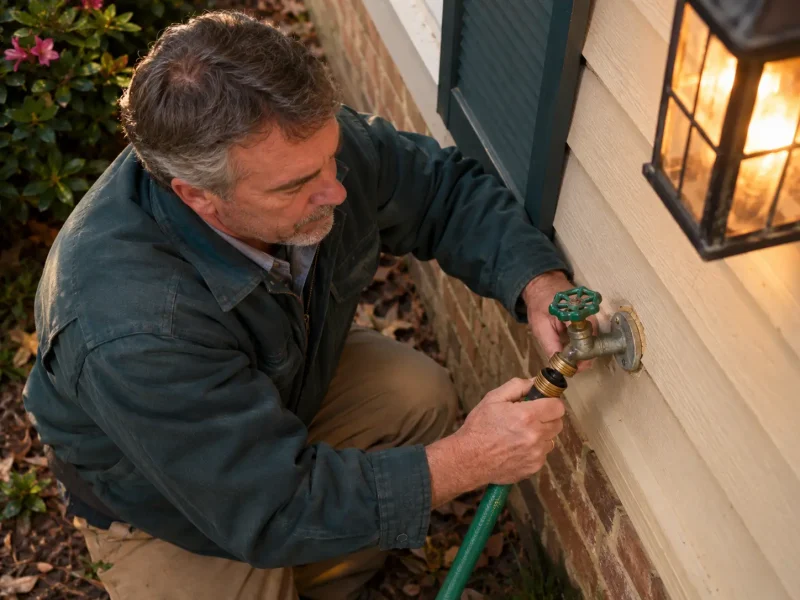
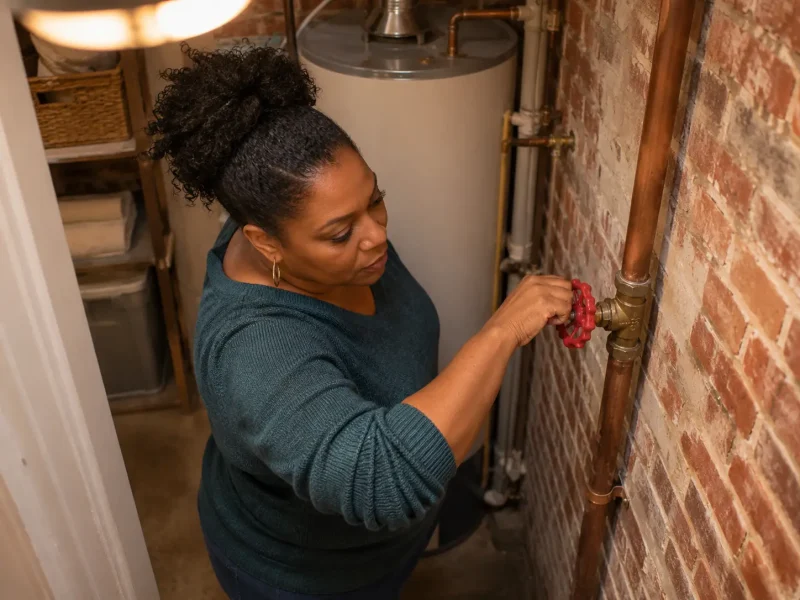
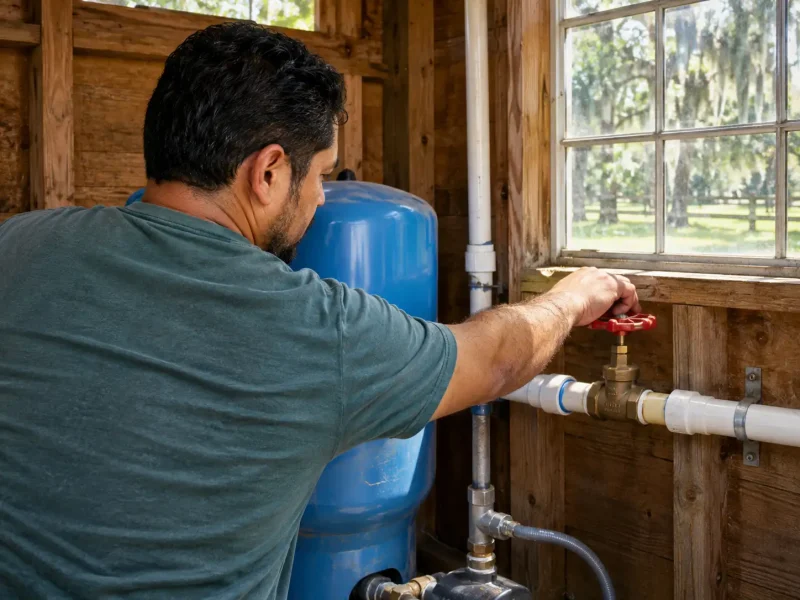
Stop the water and take photos
Shut off the main valve, then photograph the damage before cleanup. - Call now
Call a plumber
Get the break repaired and keep the invoice that names the cause. - Same day
Start drying and call your insurer
Remove standing water and report the loss as your policy requires. - Can wait
Keep records
Save receipts, photos and the damaged pipe if you can.
Steps that protect your claim
- Stop the water: shut off the main valve.
- Take photos and video of the break and all damage before cleanup.
- Prevent more damage: remove water and start drying. Insurers expect you to limit the damage.
- Keep damaged items, or photograph them before throwing them away.
- Get the plumber’s invoice stating the cause of the break.
- Call your insurer or agent as soon as possible and write down the claim number.
Questions to ask your insurer
- Is sudden water damage from a burst pipe covered, and what is my deductible?
- Does the policy pay to open and close walls or floors to reach the pipe?
- Do I have loss-of-use coverage if we cannot stay at home?
- Is there a limit for mold?
- Do I have a sewer backup add-on (a different coverage)?
Photos and records to keep
- Photos and video of the water, the damage and the broken pipe before cleanup
- The plumber's invoice, with the cause of the break written on it
- Receipts for drying equipment, hotel stays or emergency supplies
- A list of damaged items with their age and rough value
- The damaged section of pipe, if the plumber can give it to you
Questions to ask your insurance company
- Is sudden water damage from a burst pipe covered under my policy?
- Is the pipe repair itself covered, or only the damage it caused?
- Do I need to use a specific company for drying or repairs?
- What is my deductible for this kind of claim?
- How long do I have to report the loss and send documents?
Policies differ, so read your own policy or ask your agent. The steps above help whatever your coverage is. To lower the chance of a repeat, see how to prevent frozen pipes and burst pipe repair.
Get the pipe repaired first
The house needs water back on, and an adjuster will want the cause documented. See burst pipe repair in Augusta and the first steps in what to do when a pipe bursts.
This page is general information, not insurance or legal advice. Read your policy and ask your insurer or agent about your coverage.